

In the detailing world, a deionizer isn’t just a “filter”—it’s an insurance policy. It ensures that even if you’re washing a black car in 30°C heat, you won’t be left with “ghosting” or etched mineral spots that require machine polishing to remove.
1. The Pro-Level Setup: Carbon Pre-Filters
Many detailers jump straight to DI resin, but the pros use a Carbon Pre-Filter.
- What it does: Carbon filters remove chlorine, sediment, and volatile organic compounds (VOCs).
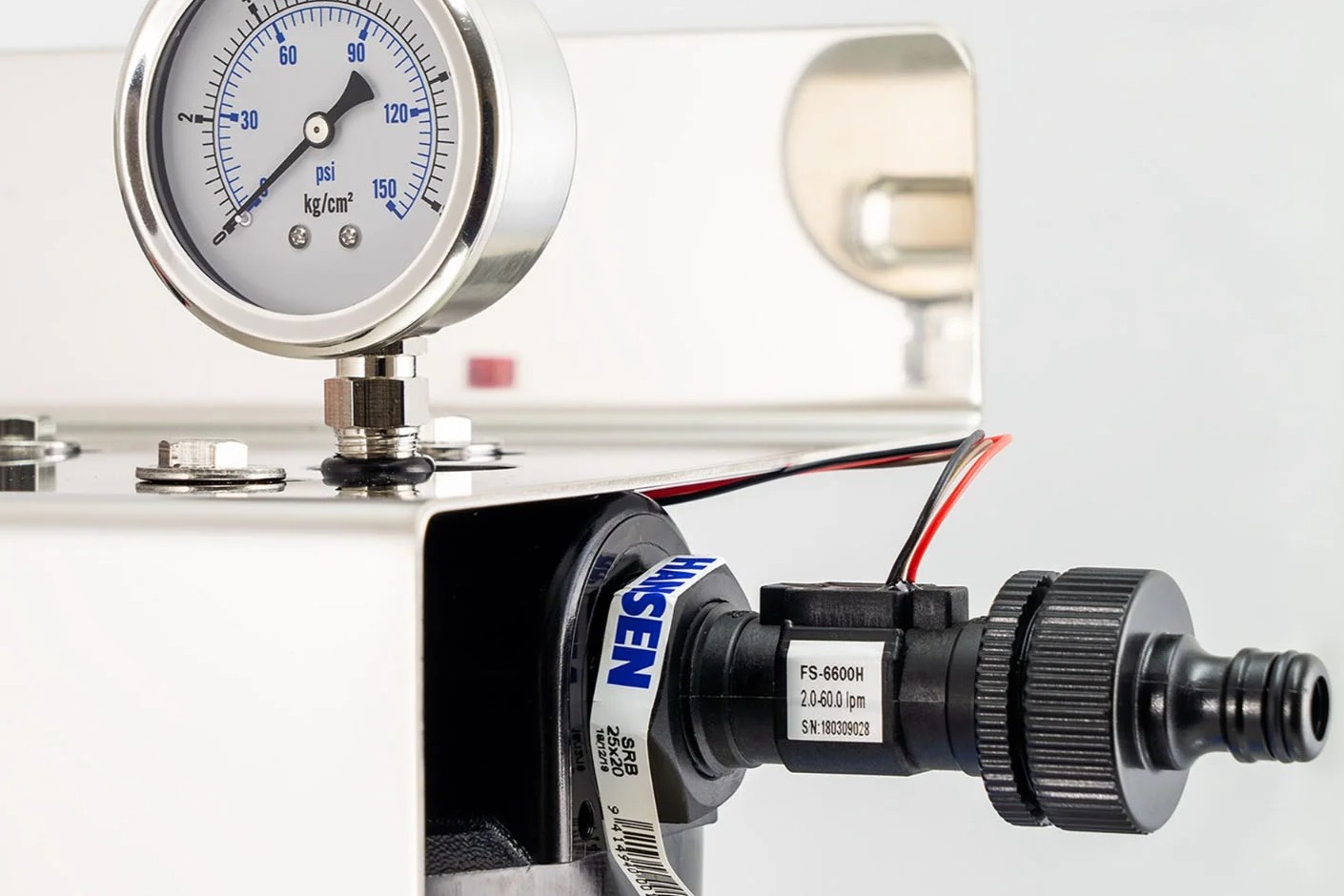
- Why it matters: Chlorine is a “resin killer.” It oxidizes the DI resin beads, causing them to break down prematurely, such as the Kranzle Pressure Washer Inline Water Inlet Filter.
- Extending Bed Life: By stripping out chlorine and larger particulates first, your DI resin can focus solely on ion exchange. A carbon pre-filter is a small upfront investment that can increase your DI resin’s lifespan by 15–25%.
2. Strategic Use Cases in Detailing
- The Final Rinse (Standard): The most common use. Wash and foam with tap water, then switch to DI water for the final 60-second rinse. You can literally walk away and let the car air-dry.
- Engine Bay Detailing: Engine bays have endless nooks and crannies where water traps. Using DI water here prevents unsightly white crusting on plastics and hoses.
- Mobile Detailing: If you’re mobile, you never know the water quality of your client’s tap. Carrying a DI vessel ensures consistent results regardless of the location.
3. How to Extend the Life of Your Resin
Resin is the “fuel” of your filtration system. Here is how to make it last:
- Dual-Bed Systems: Using two smaller vessels in series (Lead/Lag) allows the first to do the heavy lifting while the second “polishes” the water to 0 ppm. When the first expires, you move the second to the lead position.
- Flow Regulation: DI resin needs “contact time” to work. Running water through at maximum garden hose speed often results in a “bypass” where minerals aren’t fully captured. Aim for a steady, moderate flow.
- Bypass Valves: Install a manifold that lets you flick a switch between “Tap Water” (for wheels/foaming) and “DI Water” (for rinsing) without swapping hoses.
Which System is Right For You?
Choosing the right setup depends on your water hardness and how many cars you’re pushing through the bay.
FSA GT1-100 Anti-Scale System | The Professional Choice
This is the “set and forget” solution for high-volume studios.
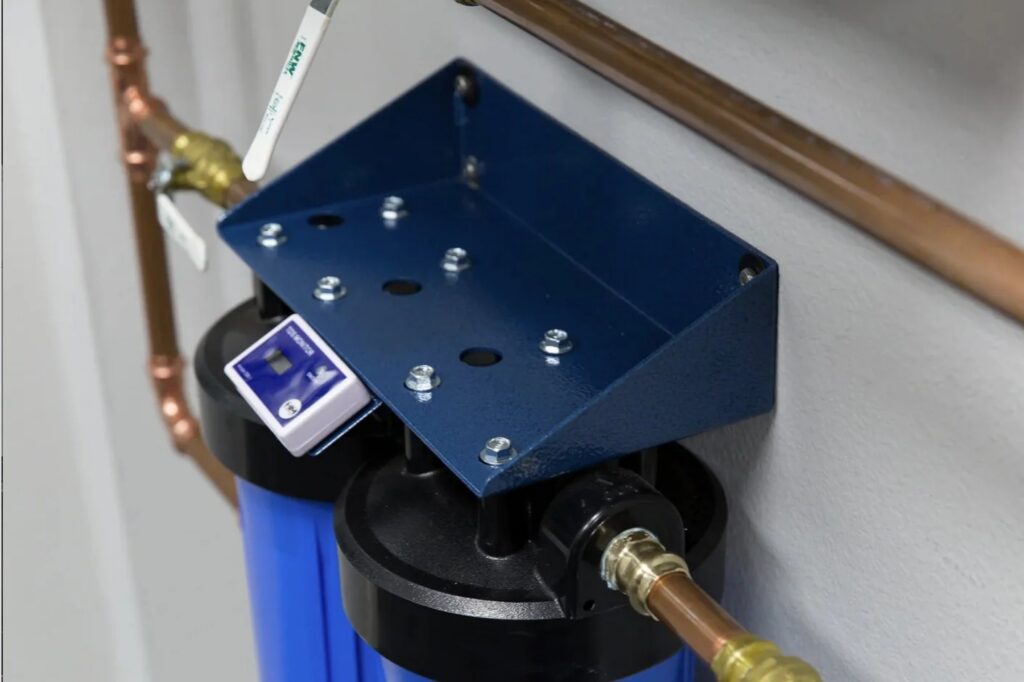
- The Setup: A dual-stage system featuring a dedicated pre-filter housing and a high-capacity DI resin tank.
- The Benefit: The pre-filter strips out sediment and chlorine before they reach the resin. This prevents the resin from “exhausting” prematurely, giving you the lowest cost-per-liter for your final rinse.
- Best For: Professional detailing bays and shops washing 3+ cars daily.
FSA GT1-112-DI Vessel | The Serious Enthusiast
The sweet spot for those who want 0 ppm water without a massive footprint.
- The Setup: A standalone 9″ x 17″ fiberglass-reinforced media vessel.
- The Benefit: It’s compact enough for home garages but holds significantly more resin than small inline canisters. It maintains high flow rates, so your pressure washer won’t starve for water.
- Best For: Weekend warriors, collectors, and mobile detailers needing a portable spot-free guarantee.